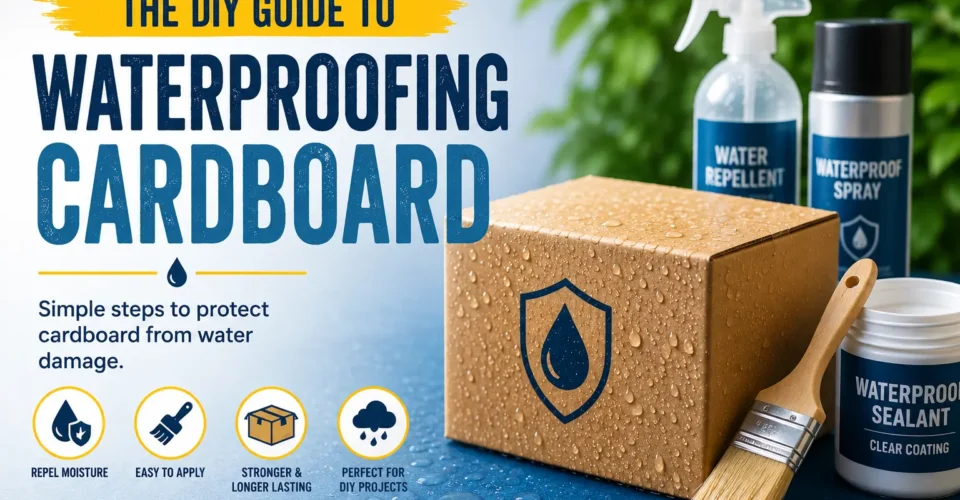
The DIY Guide to Waterproofing Cardboard
Cardboard is one of the most widely used packaging materials due to its affordability, versatility, and eco-friendly nature. From shipping boxes and product packaging to storage containers and craft projects, cardboard serves countless purposes. However, one major drawback of cardboard is its vulnerability to moisture.
Exposure to water can weaken cardboard, cause warping, reduce structural integrity, and even ruin the products inside. Fortunately, there are several DIY methods that can help make cardboard more resistant to moisture and extend its lifespan.
At Custom Boxes BL, we understand the importance of durable packaging solutions. This guide will walk you through practical ways to waterproof cardboard and protect it from water damage.
Why Waterproof Cardboard?
Although cardboard is strong and lightweight, it easily absorbs moisture. Even small amounts of water can compromise its strength and appearance.
Waterproofing cardboard offers several benefits:
- Improves durability
- Protects products during shipping
- Prevents warping and softening
- Extends storage life
- Enhances outdoor usability
- Reduces packaging damage
Whether you’re creating custom packaging, storage solutions, or DIY projects, waterproofing can significantly improve performance.
Understanding the Limits of Cardboard
Before waterproofing cardboard, it’s important to understand that most DIY methods create water resistance rather than complete waterproofing.
Cardboard remains a paper-based material, so prolonged exposure to water may still cause damage. However, applying protective coatings can greatly improve its ability to withstand moisture.
Method 1: Apply Clear Acrylic Spray
Acrylic spray is one of the easiest and most effective ways to make cardboard water-resistant.
Materials Needed
- Clear acrylic spray
- Protective gloves
- Well-ventilated workspace
Steps
- Place the cardboard on a flat surface.
- Shake the acrylic spray thoroughly.
- Apply a thin, even coat over the entire surface.
- Allow it to dry completely.
- Apply a second coat for added protection.
Benefits
- Fast application
- Clear finish
- Maintains cardboard appearance
- Suitable for crafts and packaging
Method 2: Use Waterproof Sealant
Waterproof sealants create a protective barrier that prevents moisture penetration.
Materials Needed
- Waterproof sealant
- Paintbrush or foam brush
Steps
- Clean the cardboard surface.
- Apply a thin layer of sealant evenly.
- Let it dry according to manufacturer instructions.
- Add additional coats if necessary.
Benefits
- Strong moisture protection
- Increased durability
- Long-lasting results
This method is ideal for packaging exposed to humid environments.
Method 3: Coat with Polyurethane
Polyurethane provides excellent water resistance and is commonly used for wood and paper-based materials.
Materials Needed
- Water-based polyurethane
- Brush or roller
Steps
- Apply a thin coat over the cardboard.
- Allow it to dry fully.
- Lightly sand if needed.
- Apply a second protective layer.
Benefits
- Durable finish
- Good moisture protection
- Suitable for long-term use
Method 4: Wax Coating
Wax creates a moisture-resistant surface that helps repel water.
Materials Needed
- Paraffin wax or candle wax
- Heat source
- Brush
Steps
- Melt the wax carefully.
- Brush a thin layer onto the cardboard.
- Allow the wax to cool and harden.
Benefits
- Affordable solution
- Easy application
- Effective moisture resistance
Wax coatings work well for temporary storage boxes and craft projects.
Method 5: Laminating Cardboard
Lamination involves covering cardboard with a protective plastic film.
Materials Needed
- Self-adhesive laminating sheets
- Scissors
Steps
- Cut the laminating sheet to size.
- Carefully apply it to the cardboard surface.
- Smooth out air bubbles.
Benefits
- Excellent water resistance
- Professional appearance
- Increased durability
This method is commonly used for signs, displays, and presentation materials.
Method 6: Waterproof Paint
Exterior-grade waterproof paint can add both color and moisture protection.
Materials Needed
- Waterproof paint
- Paintbrush or roller
Steps
- Apply a thin coat of paint.
- Allow it to dry.
- Apply additional coats for stronger protection.
Benefits
- Decorative finish
- Weather resistance
- Suitable for outdoor projects
Method 7: PVA Glue and Water Mixture
A mixture of PVA glue and water creates a protective seal on cardboard surfaces.
Materials Needed
- White PVA glue
- Water
- Brush
Steps
- Mix equal parts glue and water.
- Brush the mixture evenly onto the cardboard.
- Allow it to dry completely.
- Apply a second coat if needed.
Benefits
- Budget-friendly
- Easy to find materials
- Effective for light moisture exposure
Best Practices for Waterproofing Cardboard
Apply Multiple Coats
Using multiple thin coats often provides better protection than a single thick layer.
Seal the Edges
Cardboard edges absorb moisture quickly. Ensure all edges and corners are properly coated.
Allow Proper Drying Time
Rushing the drying process can reduce effectiveness. Always allow each layer to cure fully before applying another.
Store Properly
Even waterproofed cardboard should be stored in dry conditions whenever possible.
Common Uses for Waterproofed Cardboard
Waterproof cardboard can be useful for:
- Product packaging
- Shipping boxes
- Craft projects
- Storage containers
- Event displays
- Temporary outdoor signage
Businesses can also use moisture-resistant cardboard packaging to better protect products during transportation.
Waterproof Cardboard for Packaging
For commercial applications, waterproofing can improve packaging performance and reduce product damage caused by humidity or accidental moisture exposure.
Brands that ship products internationally often face varying environmental conditions. Moisture-resistant packaging helps maintain product quality throughout the supply chain.
At Custom Boxes BL, we provide packaging solutions designed to enhance durability, protection, and customer satisfaction.
DIY Waterproofing vs Professional Packaging Solutions
While DIY methods can improve moisture resistance, businesses with high-volume packaging requirements may benefit from professionally manufactured water-resistant packaging materials.
Professional packaging often includes:
- Specialized coatings
- Moisture barriers
- Laminated surfaces
- Advanced protective finishes
These solutions offer greater consistency and long-term protection compared to DIY treatments.
Conclusion
Learning how to waterproof cardboard can help you protect packaging, crafts, and storage solutions from moisture-related damage. Whether you choose acrylic spray, sealants, polyurethane, wax, or laminating films, each method can significantly improve cardboard’s resistance to water.
While DIY waterproofing is an excellent option for small projects, businesses seeking dependable packaging performance should consider professionally designed moisture-resistant packaging solutions.
At Custom Boxes BL, we specialize in creating custom packaging that combines durability, functionality, and visual appeal. By taking the right approach to waterproofing, you can extend the life of cardboard and ensure better protection for your products.