Choosing Between Flexible and Rigid Packaging: What Works Best for Your Brand
Packaging is much more than a protective covering for products. It influences customer perception, supports branding efforts, and plays a crucial role in the overall user experience. As businesses strive to create effective packaging solutions, one common question arises: Should you choose flexible packaging or rigid packaging?
Both packaging types offer unique advantages and are suitable for different products and industries. Understanding their differences can help brands make informed decisions that align with their goals, budget, and customer expectations.
At Custom Boxes BL, we help businesses select packaging solutions that balance protection, presentation, and cost-effectiveness. This guide explores the key differences between flexible and rigid packaging and helps you determine which option works best for your brand.
What Is Flexible Packaging?
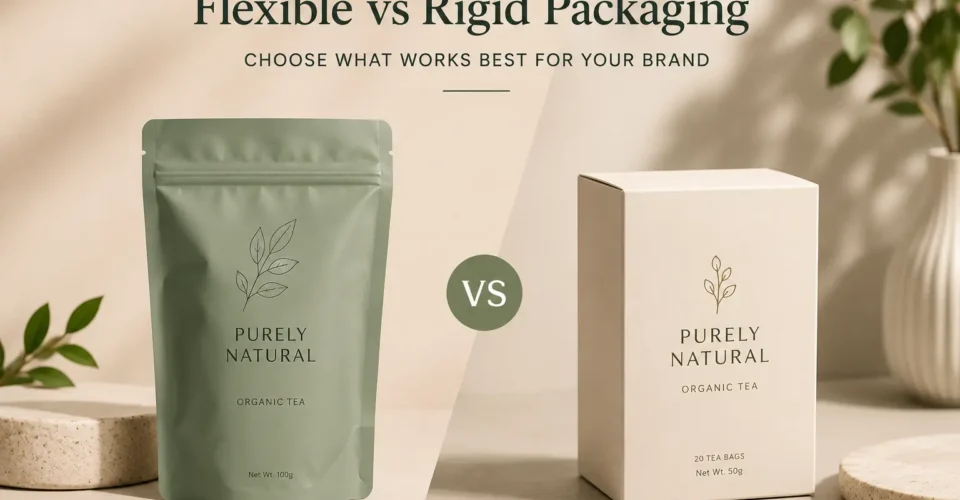
Flexible packaging refers to packaging materials that can easily bend, fold, or change shape without breaking. It is typically made from materials such as plastic films, foil, paper, or laminated materials.
Common examples of flexible packaging include:
- Stand-up pouches
- Plastic bags
- Sachets
- Shrink wraps
- Flexible food packaging
- Vacuum-sealed packaging
Flexible packaging has become increasingly popular due to its lightweight nature and cost efficiency.
What Is Rigid Packaging?
Rigid packaging is made from solid materials that maintain their shape regardless of external pressure. These packaging solutions provide strong structural support and premium product presentation.
Examples of rigid packaging include:
- Rigid setup boxes
- Corrugated boxes
- Glass containers
- Metal tins
- Plastic containers
- Luxury gift boxes
Rigid packaging is often associated with premium products and enhanced product protection.
Key Differences Between Flexible and Rigid Packaging
Structure and Durability
Flexible packaging is lightweight and adaptable but offers less structural support than rigid packaging.
Rigid packaging maintains its shape and provides superior protection against crushing, impacts, and external pressure.
Cost
Flexible packaging generally requires fewer materials and lower production costs.
Rigid packaging often costs more due to thicker materials, manufacturing processes, and premium finishing options.
Storage and Transportation
Flexible packaging takes up less storage space and reduces shipping costs because of its lightweight design.
Rigid packaging occupies more space and can increase transportation expenses, particularly for large shipments.
Product Presentation
Rigid packaging offers a premium appearance that enhances perceived product value.
Flexible packaging focuses more on convenience and functionality while still providing attractive branding opportunities.
Advantages of Flexible Packaging
Cost-Effective Solution
One of the biggest benefits of flexible packaging is affordability. Businesses can significantly reduce packaging and shipping costs compared to rigid alternatives.
Lightweight Design
The lightweight nature of flexible packaging helps lower transportation expenses and simplifies handling.
Excellent Branding Opportunities
Modern printing technologies allow businesses to create vibrant graphics, bold colors, and attractive designs on flexible packaging materials.
Reduced Storage Requirements
Flexible packaging requires less warehouse space because it can be stored flat before use.
Sustainability Benefits
Many flexible packaging options use fewer raw materials and produce less waste during manufacturing.
Advantages of Rigid Packaging
Superior Product Protection
Rigid packaging offers excellent resistance against impacts, compression, and rough handling.
This makes it ideal for fragile and high-value products.
Premium Customer Experience
Luxury brands often prefer rigid packaging because it creates a high-end unboxing experience that leaves a lasting impression.
Enhanced Product Visibility
Rigid packaging maintains its structure, allowing products to remain well-presented on retail shelves.
Reusability
Many rigid packaging solutions can be reused by customers, extending brand exposure beyond the initial purchase.
Greater Customization
Rigid boxes can incorporate premium finishes such as:
- Spot UV coating
- Foil stamping
- Embossing
- Debossing
- Magnetic closures
These enhancements help brands create memorable packaging experiences.
When Should You Choose Flexible Packaging?
Flexible packaging is often the best choice when:
- Shipping lightweight products
- Reducing packaging costs
- Maximizing storage efficiency
- Selling food and beverage products
- Prioritizing convenience and portability
Industries that commonly use flexible packaging include food, snacks, pet products, cosmetics, and household goods.
When Should You Choose Rigid Packaging?
Rigid packaging is ideal when:
- Shipping fragile products
- Selling luxury goods
- Creating premium branding experiences
- Requiring strong product protection
- Displaying products in retail environments
Industries that frequently use rigid packaging include electronics, cosmetics, jewelry, pharmaceuticals, and luxury retail.
Flexible Packaging vs Rigid Packaging: A Quick Comparison
| Feature | Flexible Packaging | Rigid Packaging |
|---|---|---|
| Cost | Lower | Higher |
| Weight | Lightweight | Heavier |
| Protection | Moderate | High |
| Storage Efficiency | Excellent | Moderate |
| Shipping Cost | Lower | Higher |
| Premium Appearance | Good | Excellent |
| Customization | High | Very High |
| Sustainability | Often Better | Depends on Material |
Factors to Consider Before Choosing
Product Type
Fragile products often require rigid packaging, while lightweight products can benefit from flexible solutions.
Brand Positioning
Luxury and premium brands typically favor rigid packaging to enhance customer perception.
Budget
Flexible packaging provides a cost-effective option for businesses seeking to reduce packaging expenses.
Shipping Requirements
Long-distance transportation may require stronger packaging materials to prevent damage.
Customer Expectations
Understanding your target audience can help determine whether convenience or premium presentation should take priority.
Can Brands Use Both?
Absolutely. Many successful brands use a combination of flexible and rigid packaging.
For example:
- A cosmetic brand may use a flexible pouch for refills and a rigid box for premium gift sets.
- A food company may use flexible packaging for everyday products and rigid packaging for seasonal promotions.
Combining both packaging styles allows businesses to optimize costs while maintaining strong branding.
Conclusion
When comparing flexible vs rigid packaging, there is no universal solution. The right choice depends on your product requirements, budget, branding goals, and customer expectations.
Flexible packaging offers affordability, convenience, and storage efficiency, making it ideal for many everyday products. Rigid packaging provides superior protection and a premium appearance, making it the preferred choice for luxury and fragile items.
At Custom Boxes BL, we specialize in creating custom packaging solutions that help businesses enhance product protection, strengthen brand identity, and improve customer experiences. Whether you need flexible packaging, rigid boxes, or a combination of both, selecting the right packaging strategy can contribute significantly to your brand’s success.