Why Do Some Brands Use “Ugly” Packaging — And Why It Works
Introduction
In today’s highly competitive U.S. market, packaging is no longer just about protection—it’s about psychology, branding, and sales performance. While most brands invest in sleek, premium-looking boxes, a surprising trend is growing: intentional “ugly” packaging.
At first glance, it may look like a design mistake. But in reality, many successful companies use this strategy to stand out, increase attention, and even boost conversions.
For packaging-focused businesses like Custom Boxes BL, understanding this strategy is important because it reveals how design choices directly impact customer behavior and brand success.
What Is Ugly Packaging in Marketing?
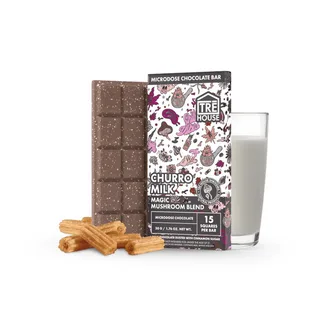
“Ugly packaging” does not mean low-quality or careless packaging. Instead, it refers to packaging that intentionally breaks traditional design rules, such as:
- Minimal or overly plain design
- Unusual color combinations
- Raw, unpolished, or industrial look
- Anti-luxury or “non-premium” appearance
- Hand-drawn or imperfect typography
The goal is not beauty—it is impact and memorability.
1. Ugly Packaging Breaks the Competition Noise
In retail stores and online marketplaces, customers are overwhelmed with visually perfect packaging. Everything starts to look the same.
Ugly packaging works because it:
- Breaks visual expectations
- Stops scrolling or shelf browsing behavior
- Forces the brain to pay attention
This is called pattern interruption marketing—when something looks different, the human brain automatically pauses to process it.
In simple terms: Different packaging gets noticed faster than perfect packaging.
2. It Creates Strong Brand Recall
One of the biggest challenges in branding is being remembered.
Ugly or unconventional packaging increases recall because:
- It is unusual
- It stands out from competitors
- It creates a mental “hook”
Even if customers don’t like the design, they remember it—which is powerful for long-term brand recognition.
3. Builds Authenticity and Trust
Modern consumers, especially in the USA, are moving away from overly polished branding. They prefer brands that feel:
- Real
- Honest
- Unfiltered
- Transparent
Ugly packaging often communicates that a brand is not trying too hard to impress—but focusing on the product itself.
This creates a feeling of authenticity, which can increase trust and loyalty.
4. Emotional Marketing Through Curiosity
Human psychology plays a major role in packaging success. When customers see something unusual, they naturally ask:
- “Why does it look like this?”
- “Is it a premium product or budget?”
- “What’s different about this brand?”
This curiosity leads to:
- More product interaction
- Higher engagement
- Increased chance of purchase
Ugly packaging turns passive shoppers into active thinkers.
5. Strong Performance in Social Media Marketing
In the age of TikTok, Instagram, and unboxing videos, packaging design is content.
Ugly or unconventional packaging performs well because:
- It is shareable
- It sparks debate and reactions
- It feels unique in videos
People love posting “unexpected” or “weird” packaging experiences, giving brands free organic marketing.
6. Cost-Effective Branding Strategy
Not every brand uses ugly packaging for psychology—some use it for cost efficiency.
Simple or minimal packaging can reduce:
- Printing costs
- Material complexity
- Design expenses
- Production time
For startups and growing businesses in the USA, this is a practical way to save money while still building a brand identity.
7. Focus Shifts from Packaging to Product
Over-designed packaging can sometimes distract from the product itself. Ugly or minimal packaging helps shift focus back to what matters:
- Product quality
- Product features
- Product value
This strategy works especially well for brands that rely on strong product performance rather than luxury appeal.
8. Anti-Design Trend Is Growing
In modern branding, especially among younger audiences, “perfect” design is often seen as boring.
The anti-design trend supports:
- Raw visuals
- Simple layouts
- Non-traditional branding
- Experimental aesthetics
Brands that adopt this style often appear:
- Bold
- Innovative
- Trend-aware
This helps them connect with Gen Z and millennial customers.
9. Competitive Differentiation in Crowded Markets
In industries like cosmetics, food, and retail packaging in the USA, competition is intense.
Ugly packaging helps brands:
- Stand out instantly
- Avoid blending in with competitors
- Create a unique shelf identity
Even if it is not traditionally attractive, it becomes visually distinctive, which is more important in crowded markets.
How Custom Boxes BL Can Use This Strategy
At Custom Boxes BL, packaging is not just about making boxes—it’s about building brand identity.
Here’s how businesses can apply this concept using custom packaging:
Minimalist Custom Boxes
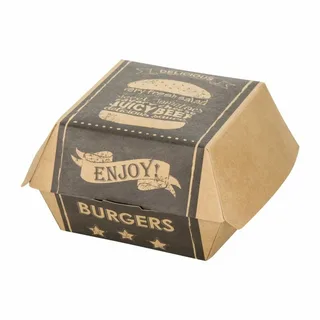
Simple kraft or plain white boxes with strong logo placement.
Bold Typography Packaging
Using large, unusual fonts instead of traditional luxury design.
Raw Material Aesthetic
Exposed textures like kraft, recycled cardboard, or matte finishes.
Unconventional Color Choices
Unexpected color combinations that break industry norms.
Story-Driven Packaging
Instead of visuals, focus on messaging printed on the box.
These approaches can make packaging more memorable and effective in sales.