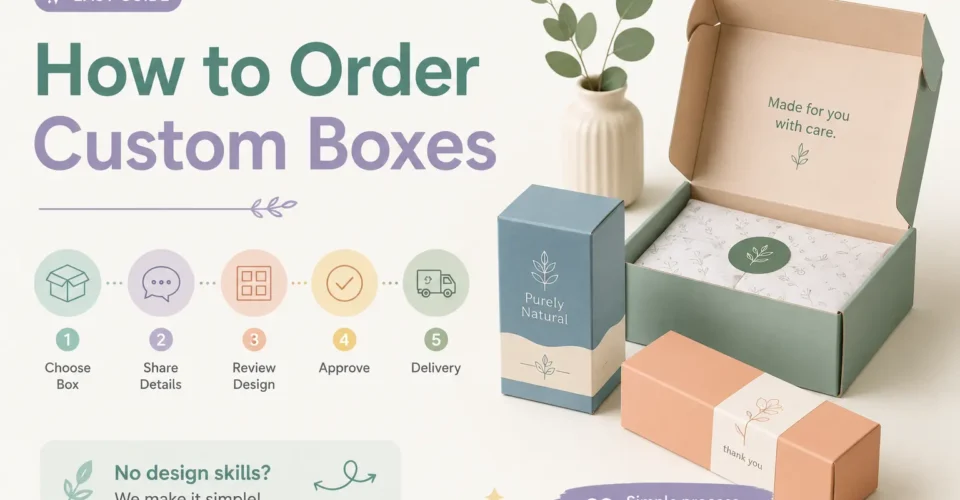
How to Order Custom Boxes When You Have No Design Experience
Custom packaging has become an essential part of building a successful brand. Well-designed custom boxes not only protect products but also help businesses create a memorable first impression. However, many small business owners and startups hesitate to invest in custom packaging because they believe they need graphic design skills to get started.
The good news is that you don’t need any design experience to order professional-looking custom boxes. Modern packaging companies offer tools, templates, and expert support that make the process simple and accessible.
At Custom Boxes BL, we help businesses create attractive packaging solutions regardless of their design background. This guide explains how to order custom boxes even if you’ve never designed packaging before.
Why Custom Packaging Matters
Your packaging is often the first physical interaction customers have with your brand. Attractive packaging can:
- Increase brand recognition
- Improve customer experience
- Enhance product presentation
- Build trust and credibility
- Encourage repeat purchases
Even simple packaging designs can create a professional and memorable impression when executed correctly.
Step 1: Understand Your Product Requirements
Before thinking about design, you need to determine what type of packaging your product requires.
Consider the following:
Product Dimensions
Measure your product carefully, including:
- Length
- Width
- Height
- Weight
Accurate measurements ensure the box fits properly and provides adequate protection.
Product Fragility
Delicate products may require:
- Corrugated boxes
- Foam inserts
- Protective packaging materials
Choosing the right packaging structure is just as important as the design itself.
Shipping Needs
Products that travel long distances often require stronger packaging materials to prevent damage during transit.
Step 2: Choose the Right Box Style
Packaging suppliers typically offer various box styles to suit different products.
Popular options include:
Mailer Boxes
Ideal for:
- Subscription boxes
- E-commerce products
- Promotional kits
Tuck-End Boxes
Ideal for:
- Retail products
- Cosmetics
- Electronics
Corrugated Shipping Boxes
Ideal for:
- Heavy products
- Fragile items
- Bulk shipments
If you’re unsure which style is best, packaging experts can recommend suitable options based on your product.
Step 3: Gather Basic Branding Elements
You don’t need a complete packaging design to get started.
Simply gather:
- Business logo
- Brand colors
- Website URL
- Social media handles
- Product information
Even basic branding elements can be transformed into professional packaging designs.
Step 4: Use Packaging Templates
Most packaging companies provide dieline templates that show where artwork should be placed.
Templates help designers correctly position:
- Logos
- Images
- Text
- Product details
If you don’t know how to work with templates, your packaging supplier can often assist you.
Step 5: Let Professional Designers Help
One of the biggest misconceptions about custom packaging is that customers must create the artwork themselves.
In reality, many packaging providers offer free or affordable design assistance.
Professional designers can:
- Create layouts
- Adjust logos
- Recommend color schemes
- Improve visual balance
- Prepare print-ready files
At Custom Boxes BL, businesses can work with packaging specialists to develop attractive designs without requiring advanced graphic design knowledge.
Step 6: Keep the Design Simple
Simple packaging often performs better than overly complex designs.
Focus on:
Clear Branding
Make your logo easy to see and recognize.
Readable Text
Avoid cluttered layouts and difficult-to-read fonts.
Consistent Colors
Use brand colors consistently across all packaging materials.
Clean Layouts
A clean design helps customers focus on your product and brand message.
Many successful brands use minimal packaging designs that look professional and premium.
Step 7: Request a Digital Mockup
Before approving production, request a digital mockup.
A mockup allows you to:
- Visualize the final package
- Check logo placement
- Review colors
- Verify text accuracy
This step helps prevent costly mistakes before printing begins.
Step 8: Order Samples First
If possible, request a sample before placing a large order.
Samples allow you to evaluate:
- Material quality
- Print accuracy
- Color appearance
- Structural integrity
- Overall presentation
Testing samples can increase confidence in your packaging investment.
Step 9: Understand Printing Options
You don’t need to be a printing expert, but understanding basic options can help you make better decisions.
Digital Printing
Best for:
- Small orders
- Fast turnaround times
Offset Printing
Best for:
- Large orders
- High-quality color reproduction
Your supplier can recommend the most suitable printing method based on your budget and quantity requirements.
Step 10: Select Finishing Options
Finishing techniques can make packaging look more premium.
Popular options include:
- Gloss coating
- Matte coating
- Spot UV
- Foil stamping
- Embossing
- Debossing
If you’re unsure which finish to choose, start with a simple matte or gloss coating.
Common Mistakes to Avoid
Overcomplicating the Design
Too many graphics, fonts, and colors can make packaging look unprofessional.
Ignoring Product Protection
Beautiful packaging is ineffective if it fails to protect the product.
Skipping Proof Reviews
Always review proofs carefully before approving production.
Choosing the Wrong Box Size
Oversized packaging can increase shipping costs and reduce presentation quality.
Benefits of Working with a Packaging Expert
Packaging professionals can help you:
- Choose suitable materials
- Select the right box style
- Optimize branding
- Reduce design errors
- Improve packaging performance
This guidance is particularly valuable for first-time buyers with little or no design experience.
Why Small Businesses Shouldn’t Fear Custom Packaging
Many small businesses assume custom packaging is complicated, expensive, or only suitable for large brands.
In reality, custom packaging has become more accessible than ever. Packaging providers now offer flexible order quantities, design support, and affordable customization options.
Even simple branded boxes can significantly improve customer perception and strengthen brand identity.
Conclusion
Ordering custom packaging doesn’t require graphic design expertise. By understanding your product needs, gathering basic branding elements, using professional support, and keeping designs simple, you can create attractive packaging that represents your brand effectively.
The key is to focus on functionality, clear branding, and customer experience rather than trying to create overly complex designs.
At Custom Boxes BL, we help businesses of all sizes design and order custom boxes with confidence. Whether you’re launching your first product or upgrading your packaging strategy, professional custom packaging is achievable—even without design experience.