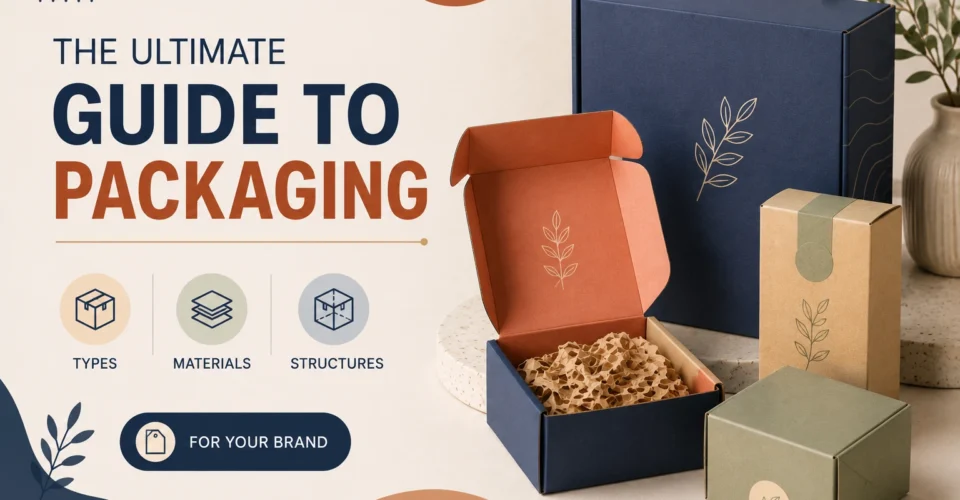
In today’s competitive marketplace, packaging does much more than protect products during shipping and storage. It serves as a powerful marketing tool, influences purchasing decisions, and shapes customer perceptions of your brand. Choosing the right packaging involves understanding different packaging types, materials, and structures to ensure your products remain secure while creating a memorable customer experience.
At Custom Boxes BL, we help businesses find packaging solutions that align with their products, branding goals, and sustainability objectives. This comprehensive guide explores the essentials of packaging and how the right choices can strengthen your brand identity.
Why Packaging Matters for Your Brand
Packaging is often the first physical interaction customers have with your product. Well-designed packaging can:
- Enhance brand recognition
- Protect products from damage
- Improve customer experience
- Increase perceived product value
- Support sustainability goals
- Encourage repeat purchases
A strategic packaging solution combines functionality, aesthetics, and brand messaging to create a lasting impression.
Understanding the Main Types of Packaging
Packaging is generally categorized into three primary levels.
1. Primary Packaging
Primary packaging directly contains the product and is the first layer customers interact with.
Examples include:
- Cosmetic containers
- Food wrappers
- Product pouches
- Beverage bottles
- Medicine packaging
Its primary purpose is product protection, preservation, and presentation.
2. Secondary Packaging
Secondary packaging groups primary packages together and provides additional branding opportunities.
Examples include:
- Custom printed boxes
- Product cartons
- Display packaging
- Gift boxes
This packaging often carries logos, product information, and promotional designs.
3. Tertiary Packaging
Tertiary packaging is used for transportation, storage, and bulk handling.
Examples include:
- Shipping cartons
- Pallets
- Stretch wrap
- Bulk corrugated containers
Its main goal is to protect products throughout the supply chain.
Common Packaging Materials
Selecting the right material is critical for durability, sustainability, and branding.
Corrugated Cardboard
Corrugated cardboard is one of the most widely used packaging materials due to its strength and versatility.
Benefits:
- Lightweight yet durable
- Excellent shipping protection
- Recyclable and eco-friendly
- Cost-effective for businesses
Ideal for e-commerce packaging, shipping boxes, and subscription boxes.
Kraft Paper
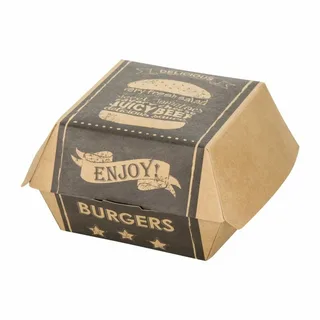
Kraft paper packaging is popular among brands seeking a natural and sustainable image.
Benefits:
- Biodegradable
- Recyclable
- Rustic appearance
- Strong and durable
Perfect for organic products, handmade goods, and eco-conscious brands.
Rigid Boxes
Rigid packaging offers a premium feel and superior protection.
Benefits:
- Luxury appearance
- High durability
- Excellent customization options
- Enhanced customer experience
Commonly used for electronics, jewelry, cosmetics, and luxury gifts.
Paperboard
Paperboard is lightweight and highly printable.
Benefits:
- Affordable
- Customizable
- Eco-friendly
- Attractive shelf presentation
Frequently used for retail products and food packaging.
Plastic Packaging
Plastic remains a popular choice for many industries due to its flexibility and moisture resistance.
Benefits:
- Lightweight
- Durable
- Transparent options available
- Cost-efficient
Many brands are now adopting recyclable and biodegradable plastic alternatives to reduce environmental impact.
Packaging Structures Explained
Packaging structure refers to the physical design and construction of the package.
Straight Tuck End Boxes
One of the most common retail packaging styles.
Features:
- Easy assembly
- Professional appearance
- Suitable for lightweight products
Reverse Tuck End Boxes
A cost-effective packaging structure often used for cosmetics and pharmaceutical products.
Features:
- Secure closure
- Efficient production
- Versatile applications
Mailer Boxes
Mailer boxes are designed for shipping and subscription services.
Features:
- Self-locking design
- Excellent protection
- Enhanced unboxing experience
Two-Piece Boxes
These premium boxes consist of a separate lid and base.
Features:
- Luxury presentation
- Reusable packaging
- High-end branding opportunities
Sleeve Packaging
A sleeve wraps around an inner tray or box.
Features:
- Modern appearance
- Additional branding space
- Cost-effective customization
Sustainable Packaging Trends
Consumers increasingly prefer environmentally responsible packaging solutions.
Popular sustainable options include:
- Recyclable cardboard packaging
- Kraft paper boxes
- Compostable packaging materials
- Reusable packaging designs
- Minimalist packaging structures
Brands that adopt sustainable packaging often strengthen customer trust and improve brand reputation.
How to Choose the Right Packaging for Your Product
Consider the following factors when selecting packaging:
Product Protection
Ensure the packaging can withstand shipping, handling, and storage conditions.
Brand Identity
Choose designs, colors, and materials that reflect your brand personality.
Customer Experience
Focus on creating a memorable unboxing experience that encourages customer engagement.
Budget
Balance quality and affordability without compromising product safety.
Sustainability
Select eco-friendly materials whenever possible to meet consumer expectations.
Why Custom Packaging Is Essential
Custom packaging allows businesses to create unique experiences while improving product presentation.
Benefits include:
- Stronger brand recognition
- Better product protection
- Enhanced customer loyalty
- Improved marketing opportunities
- Greater differentiation from competitors
Custom packaging transforms ordinary boxes into valuable brand assets.
Partner with Custom Boxes BL for Innovative Packaging Solutions
At Custom Boxes BL, we specialize in creating custom packaging solutions tailored to your product requirements and brand goals. From corrugated shipping boxes and kraft packaging to luxury rigid boxes and retail packaging, we offer high-quality options designed to help your business stand out.
Final Thoughts
Understanding packaging types, materials, and structures is essential for building a successful brand. The right packaging not only protects your products but also communicates your values, enhances customer experiences, and strengthens your market presence.
By investing in thoughtful, well-designed packaging, businesses can create lasting impressions that drive customer satisfaction and long-term growth.